
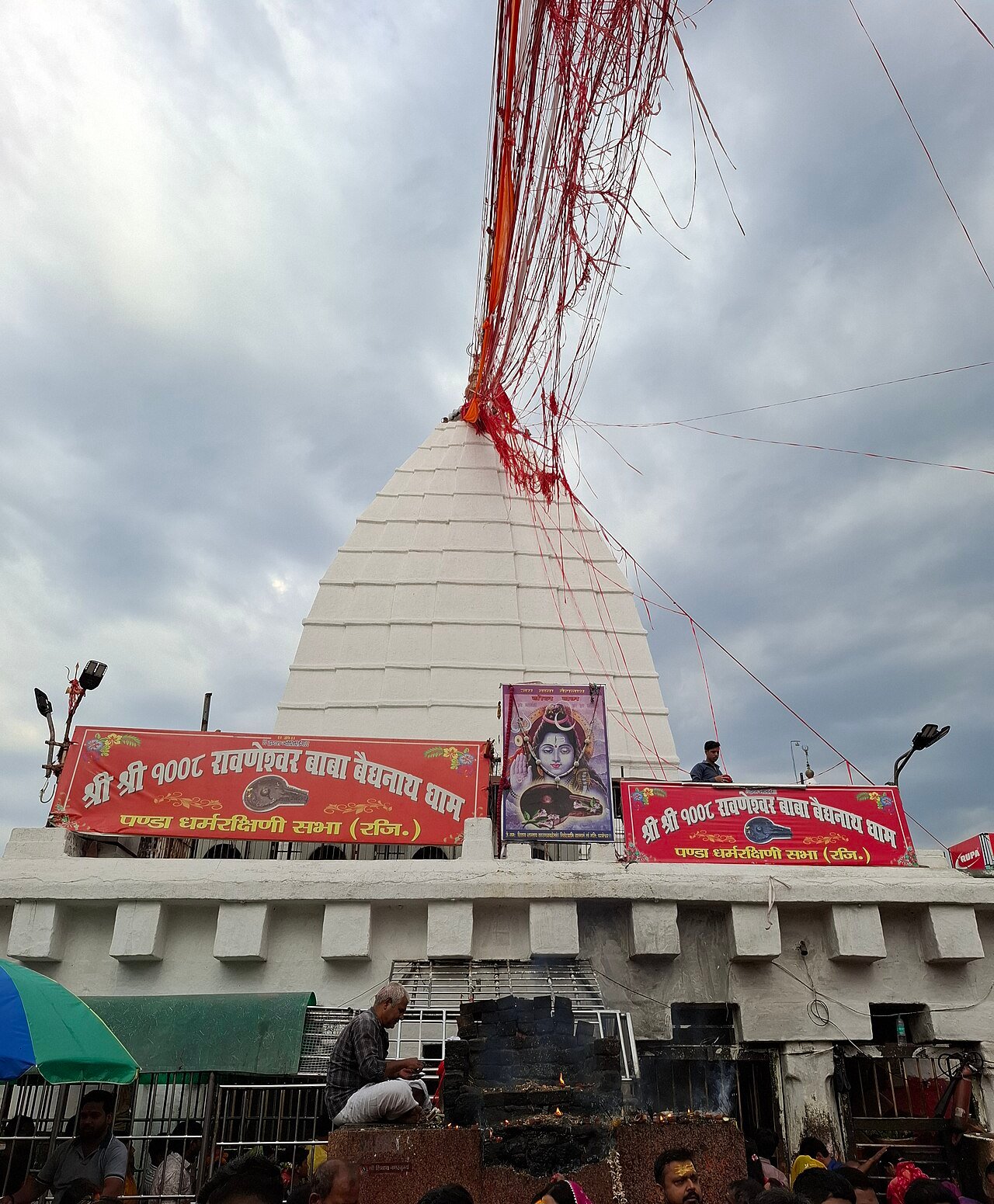

Mahashivratri — “the great night of Shiva” — falls on the Krishna Chaturdashi of the month of Phalguna (Magha in the Amanta calendar), usually in February or March. It is the night on which devotees fast, stay awake and worship Shiva in four watches. To understand the tithi and how it differs from the monthly Shivratri, see Masik Shivratri and Mahashivratri.
The fast
Devotees keep a complete or phalahar fast from sunrise until the next morning. The fast is broken after the night’s puja, once the tithi ends — check a panchang for the exact parana time.
Four-prahar puja: the plan of the night
The night is divided into four prahar (watches of about three hours). A complete puja is offered in each. A traditional pattern, which pandits adapt to local custom, is:
| Prahar | Approx. time | Abhishek dravya (traditional) | Mantra |
|---|---|---|---|
| First | Evening (after sunset) | Milk | Om Namah Shivaya |
| Second | Late evening | Curd | Om Namah Shivaya |
| Third | Midnight | Ghee | Om Namah Shivaya |
| Fourth | Before dawn | Honey | Om Namah Shivaya |
In each prahar: abhishek, bel patra, flowers, dhoop, diya, naivedya and aarti, with 108 chants of the Panchakshar mantra or the Mahamrityunjay Mantra. At the end of the fourth prahar, offer water and take the sankalp’s conclusion.
Jagran (the night vigil)
- Stay awake with bhajans, the recitation of the Panchakshar Stotra and the Mahamrityunjay Mantra.
- Read or listen to the Mahashivratri katha — the story of the hunter who unknowingly offered bel leaves to Shiva through the night.
- Keep the diya burning till dawn.
Mahashivratri at Baba Baidyanath Dham
Mahashivratri is among the days of the heaviest crowds at Deoghar, second only to Shravan. Reports describe the Chatushprahar puja — the four-watch worship — as a distinctive tradition of this Jyotirlinga. Darshan rules, queue systems and timings change from year to year, so check the latest notices; our news page collects the updates we find.
Can’t reach Deoghar this Mahashivratri? Our pujaris perform Mahashivratri Rudrabhishek in your name and gotra at the Jyotirlinga — book early, as the night’s slots fill first. Rudrabhishek details.
Frequently asked questions
What is the difference between Shivratri and Mahashivratri?
Masik (monthly) Shivratri falls on Krishna Chaturdashi every month. Mahashivratri is the one in Phalguna (Magha in Amanta), the most important of the twelve.
Can we eat during the Mahashivratri fast?
Most devotees eat only fruits, milk and fasting foods; some keep a complete water fast. Do not fast strictly if you have a health condition.
Should I do all four prahar puja at home?
Yes if you can; if not, do at least one puja during the night, ideally in the Nishita (midnight) watch, and stay awake in remembrance of Shiva as far as you can.
Share your name and gotra on WhatsApp — our pujari takes your sankalp and performs the puja at the Jyotirlinga. Video and prasad included.